7 hr
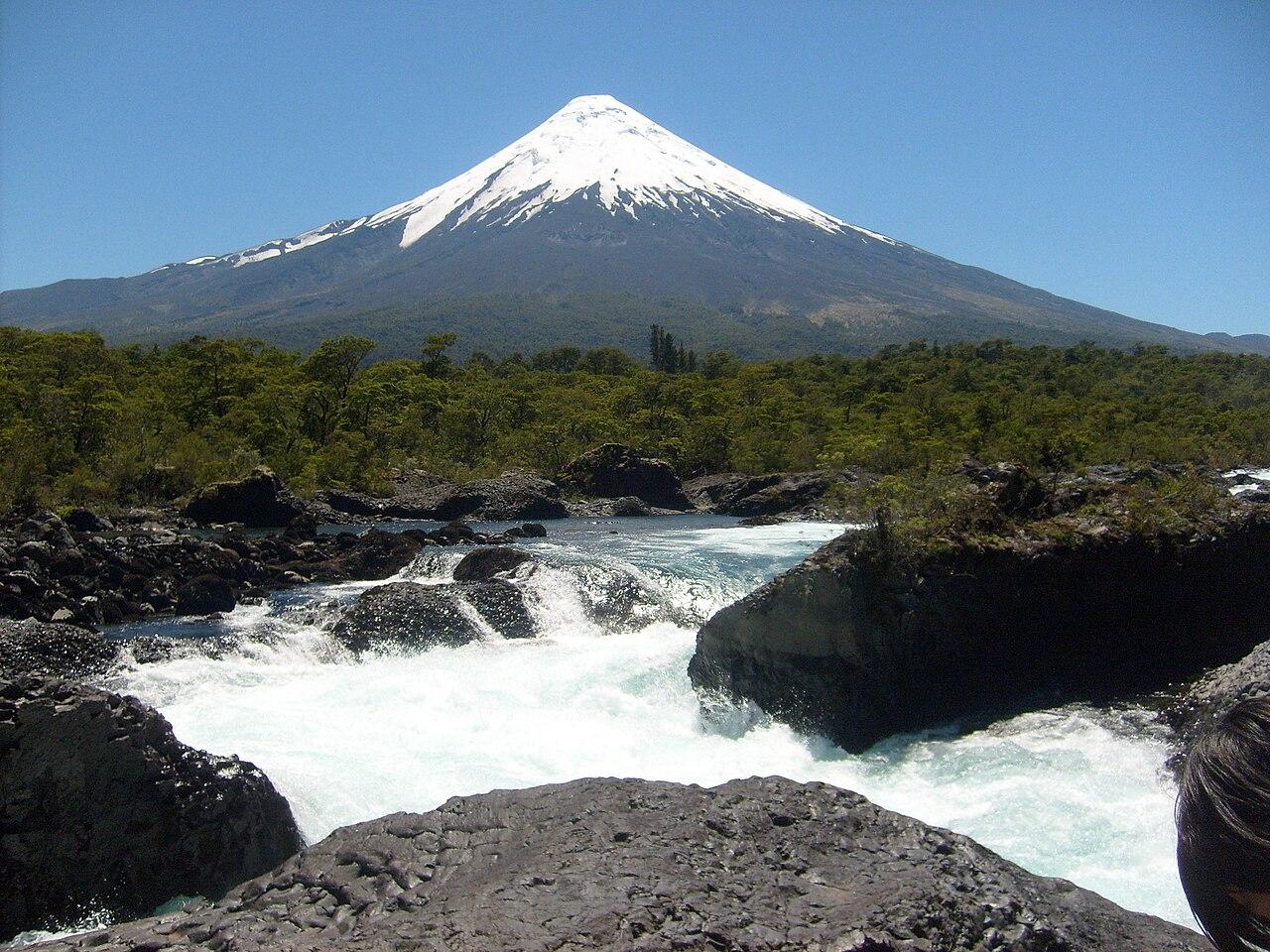
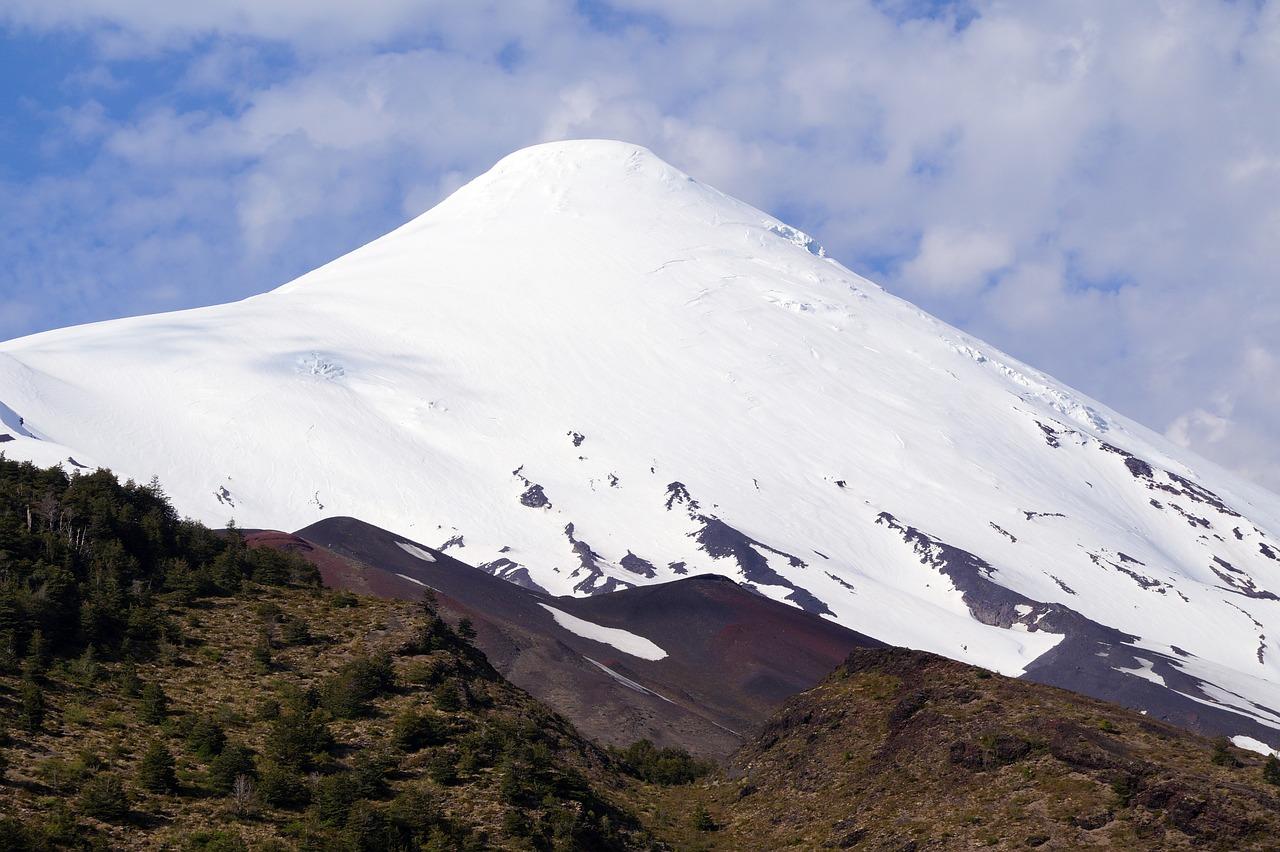
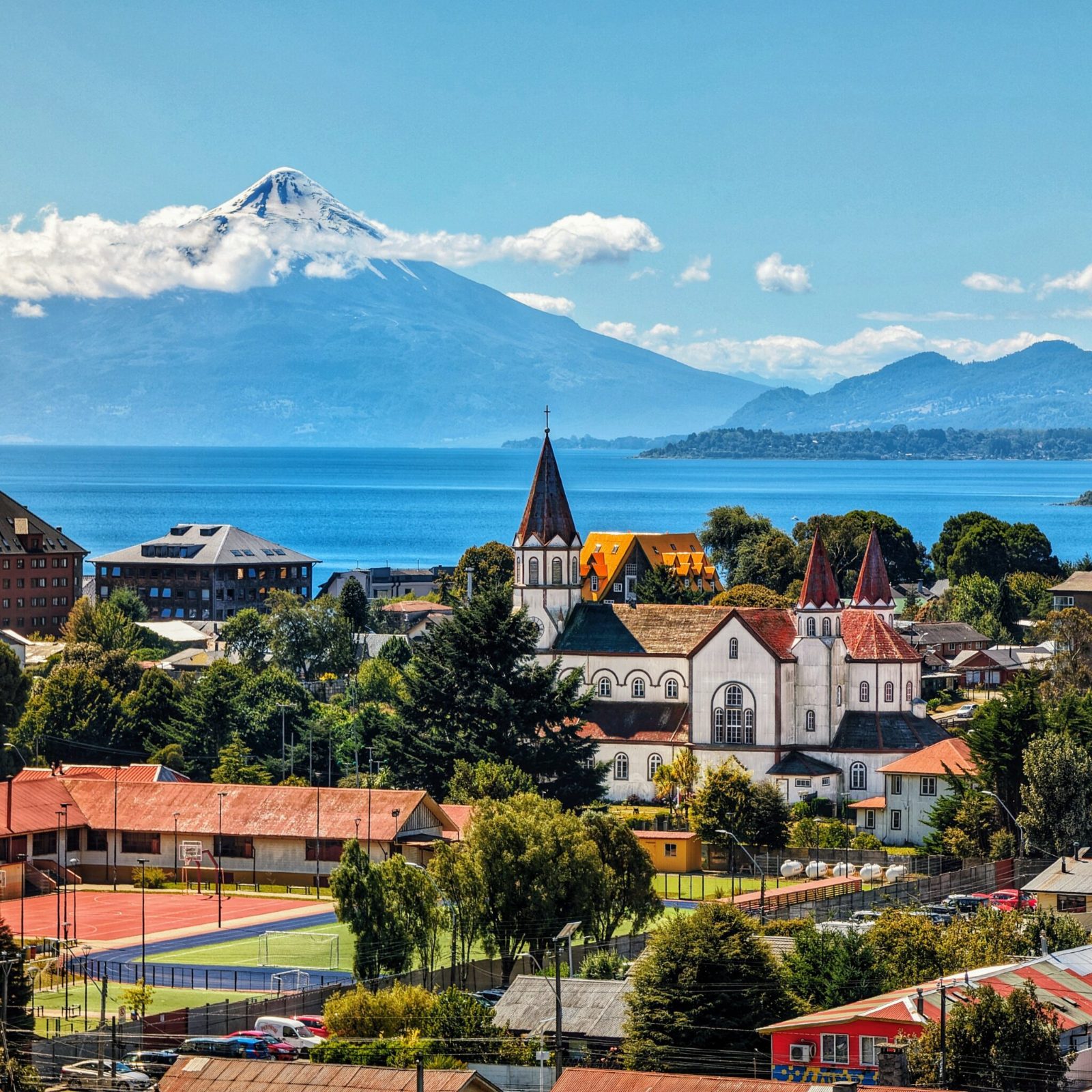
Osorno Volcano & Petrohué Falls
Seven-hour expedition to Chile's volcanic highlands, turquoise cascades, and alpine ski station
Reserve
Sixteen wooden churches, stilted palafitos, a living mythology
Hand-picked by our editors — only the best 7 experiences from 24 reviewed.
Verified partners for Chiloe Island Tour From Puerto Varas tours, free cancellation where available, and instant confirmation on every booking.
7 hr
Seven-hour expedition to Chile's volcanic highlands, turquoise cascades, and alpine ski station
Reserve
10 hr
Journey through Chile's Lake District to witness volcanic peaks, glacier views, and cascading turquoise waterfalls
Reserve
10 hr
Journey to mystical Chiloe Island to discover iconic stilt houses, historic churches, and vibrant artisan markets
ReservePrices from verified partners. Availability updates in real time at checkout. Free cancellation policies apply where shown.
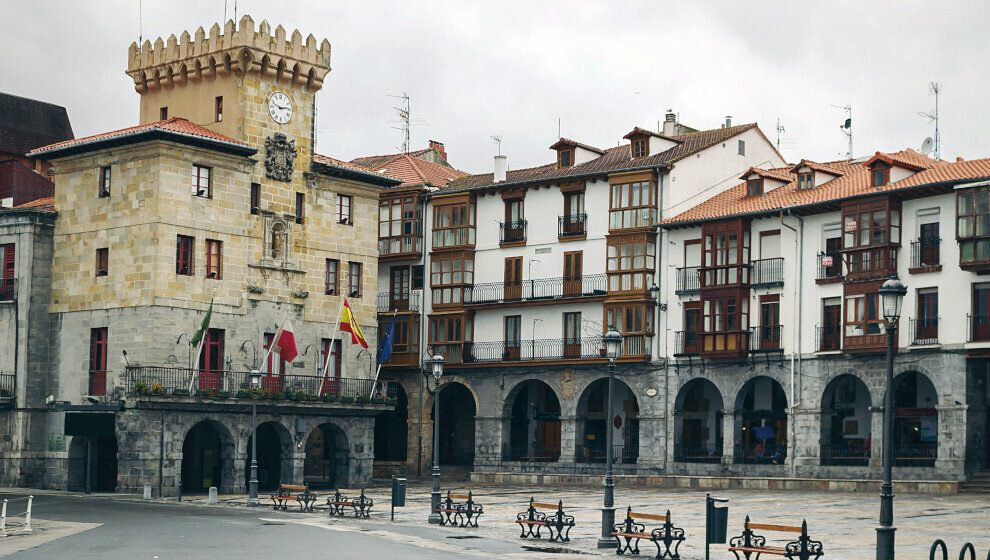
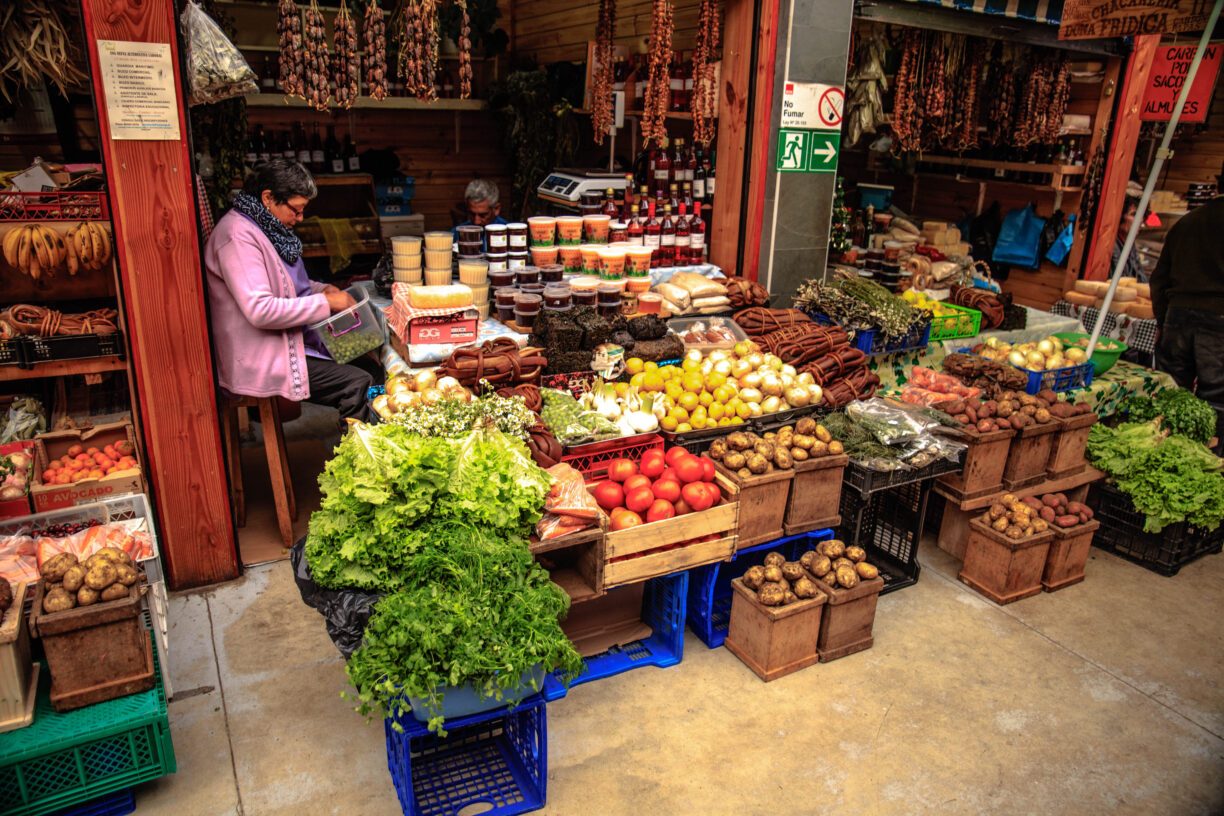
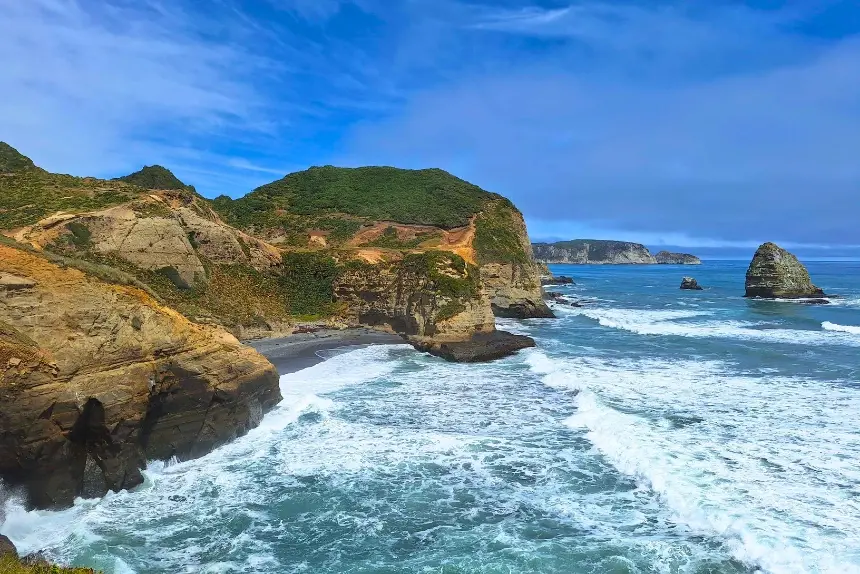
The landmarks, rooms, and views travelers on Chiloe Island Tour From Puerto Varas tours remember — all visible on a single visit.
Every Chiloe Island Tour From Puerto Varas tour side-by-side — duration, what's included, how you redeem.
| Experience | Duration | Rating | Pickup | Skip-the-line | Guide | Small group | Price | |
|---|---|---|---|---|---|---|---|---|
|
Guided Experience Most popular
Osorno Volcano & Petrohué Falls
|
7 hr | ★ 4.5 | ✓ | ✓ | ✓ | ✓ | €48 | Book → |
|
Guided Experience
Osorno Volcano & Petrohué Falls Day Trip
|
10 hr | ★ 4.6 | ✓ | ✓ | ✓ | ✓ | €60 | Book → |
|
Guided Experience
Chiloe Island Discovery: Full-Day Excursion from Puerto Varas
|
10 hr | ★ 3.7 | ✓ | ✓ | ✓ | ✓ | €62 | Book → |
All prices from verified partners. Availability and exact terms confirmed at checkout.
They complement each other; most visitors who do both call the national park the more accessible choice for landscapes, while the archipelago offers a deeper dive into unique traditions. A chiloe island tour from puerto varas provides a distinct cultural alternative to the nearby alpine wilderness.
| Feature | Top pick Chiloé Island | Vicente Pérez Rosales |
|---|---|---|
Primary Focus |
Coastal culture and wooden architecture | |
Travel Time |
3.5–4 hours one way | |
Key Activities |
Visiting stilt houses and churches | |
Cultural Experience |
High; traditional heritage and folklore | |
Landscape Type |
Archipelago and rolling green hills | |
Chiloe island tour from puerto varas tours |
Available for booking | |
Chiloe island tour from puerto varas tour |
Common day trip format | |
Chiloe island tour from puerto varas tickets |
Not applicable; transit based | |
| See tickets → |
Verdict: Choose the Chiloé excursion for maritime heritage and wooden churches, or select the national park for volcanic scenery and accessible rainforest hiking.
Choose your ticket, select your date, and reserve in under two minutes. Secure checkout handled by our verified partner.
Instant confirmation by email, with a mobile voucher you can save offline. No printing, no queuing at a collection desk.
Arrive at the entrance, show your voucher on your phone, and walk in. Most tickets include priority or skip-the-line access.
Practical details for Chiloe Island Tour From Puerto Varas tickets straight from our verified partners — hours, access, rules, and how to get there.
Main square central area
Convenient for regional departures
Open in Google MapsDrive south on Route 5 to Pargua, then take the ferry to Chacao.
Take regional buses from Puerto Montt directly to Castro.
Weather in this region changes rapidly, so wear moisture-wicking layers and a waterproof jacket. Sturdy, waterproof hiking boots are recommended for exploring muddy coastal trails and wooden church grounds.
Travel light with a medium-sized daypack containing your essentials. There are no centralized security checkpoints for the island, though ferry operators may check vehicle trunks for specific biosecurity compliance.
Photography is permitted throughout the Chiloé Archipelago, especially at wooden churches and colorful stilt houses. Please request permission before capturing close-up portraits of local artisans or residents.
Many wooden structures and uneven coastal paths present challenges for visitors with limited mobility. Accessible viewing points exist in major towns like Castro, but island-wide infrastructure is largely rustic.
Cellular coverage is reliable in urban centers like Ancud and Castro. Signal strength drops significantly in rural areas and coastal forest sectors.
The region is suitable for families, though long ferry transit times require planning for children. Prepare for variable weather and ensure young travelers have comfortable footwear for uneven surfaces.
Traditional cuisine focuses on curanto, a meat and seafood stew cooked in ground pits. Tap water is generally safe, but carrying bottled water is recommended for extended excursions.
Pets are generally allowed on public areas but must remain leashed. Verify specific policies with ferry operators and tour guides before bringing animals on boat transit.
The transit time for a typical chiloe island tour from puerto varas exceeds three hours each way including the ferry. Plan your day according to the ferry schedule to avoid extended wait times at the Pargua crossing.
Best time to go, insider tips, nearby landmarks, and the cancellation fine print — flip through to skim what matters to you.
How crowds, weather, and events shift across the year.
Mild temperatures and blooming flora make this an ideal time for a chiloe island tour from puerto varas.
Peak tourist season with the longest daylight hours for exploring multiple towns.
Fewer crowds and cooler temperatures, perfect for photography and quiet coastal walks.
Frequent rain creates a moody landscape, though some services may operate on reduced schedules.
Small details that turn a good visit into a great one.
Check the Pargua-Chacao ferry schedules online, as wait times can increase during peak summer months.
Carry Chilean pesos in small denominations, as many smaller artisans and cafes do not accept digital payments.
Dress in layers to adjust for the unpredictable coastal climate during your chiloe island tour from puerto varas.
Learning basic Spanish phrases enhances interactions in rural communities.
Ensure your vehicle has a full tank before departing Puerto Varas, as island gas stations can be spread out.
Non-bookable sights within a short walk — free to visit, easy to pair.
Central heart of the city featuring local handicrafts.
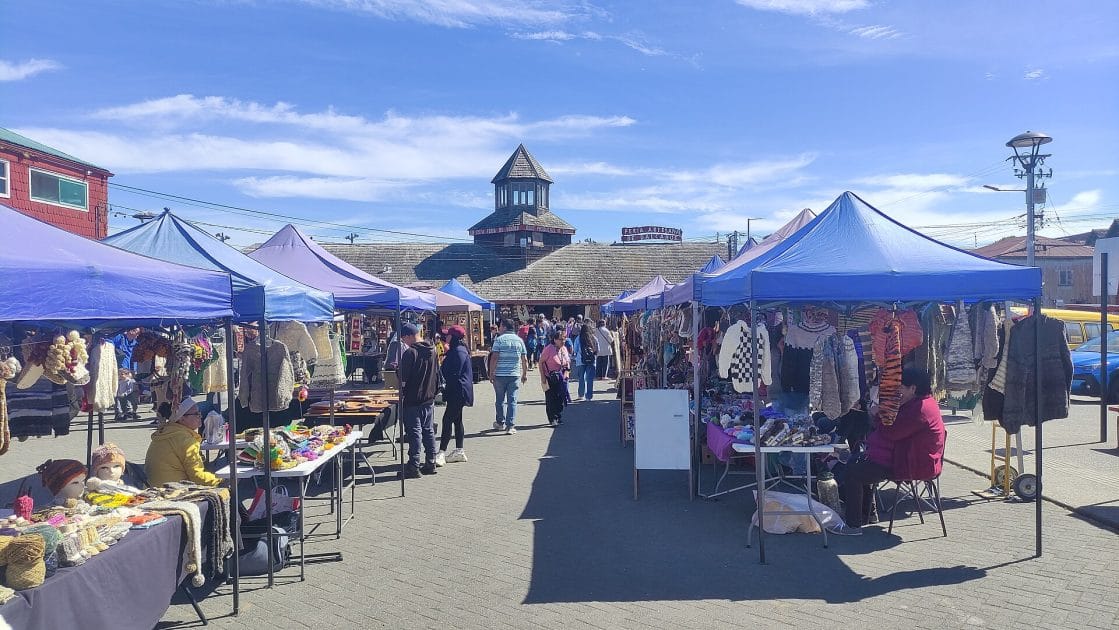
Bustling center for regional seafood and artisanal crafts.
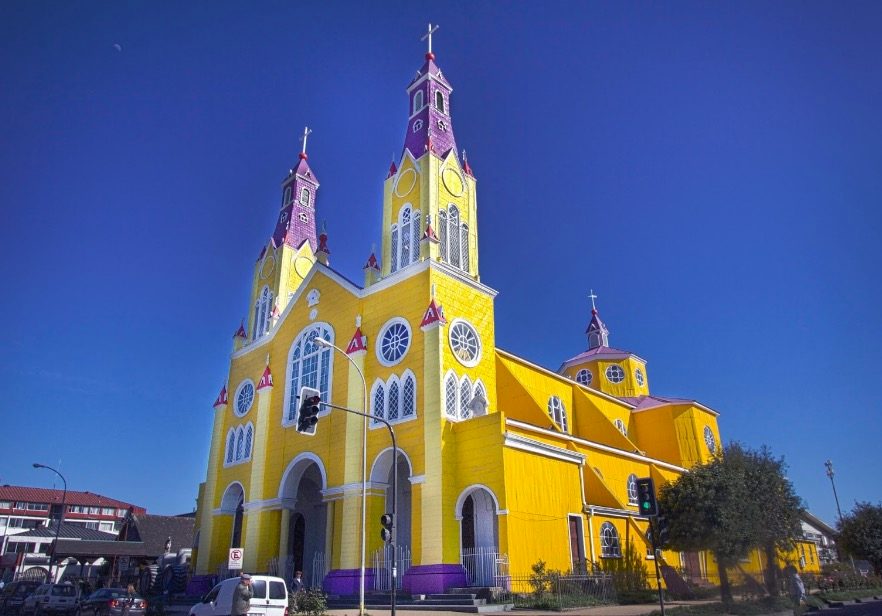
Iconic wooden church built without metal nails.
Vast reserve offering coastal trails and forest biodiversity.
Flexible, no hidden fees.
Since there is a 0 CLP entrance fee, standard tour operator policies apply based on your specific booking provider. Most operators offer full refunds if cancellation occurs at least 48 hours prior to your scheduled departure.
Hand-picked options within walking distance — pick a district for vibe, or a specific hotel for convenience.
High-end stay overlooking the city bay.
Unique lodging inside a restored stilt house.
Comfortable central lodging for independent travelers.
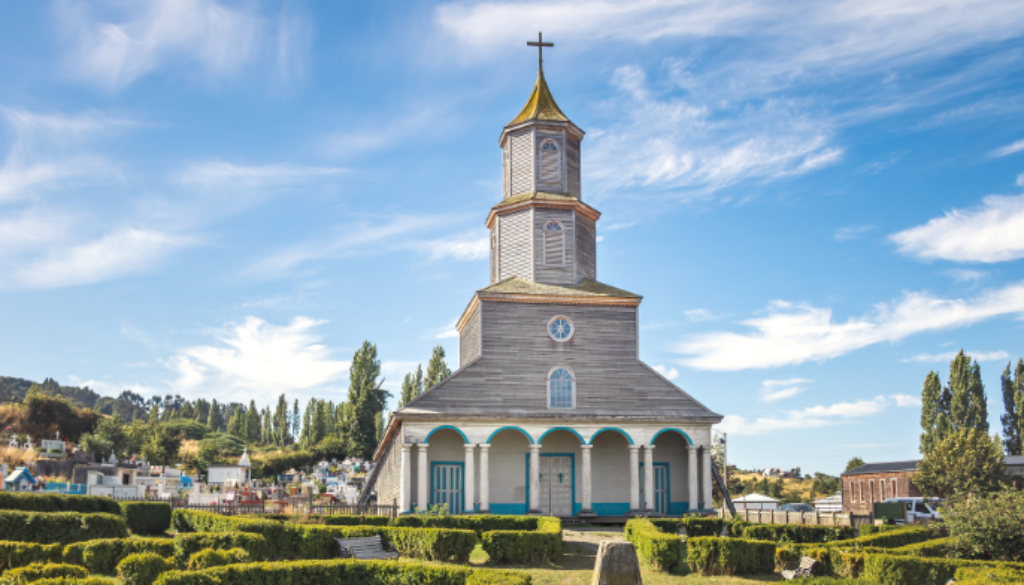
Chiloé Archipelago became a UNESCO site in 2000 for sixteen wooden churches built by Jesuit missionaries between the seventeenth and nineteenth centuries, yet the island's cultural fabric extends far deeper than colonial architecture.
The archipelago's forty islands supported a pre-Columbian maritime society that developed a distinct mythology—the Caleuche ghost ship, the Trauco forest dwarf, the Pincoya sea goddess—narratives that survive in daily conversation among Chiloé's 180,000 residents. Spanish colonizers arrived in 1567 but never subdued the interior; the resulting isolation allowed indigenous Chono and Huilliche communities to preserve fishing techniques, agricultural cycles, and oral traditions that mainland Chile industrialized away.
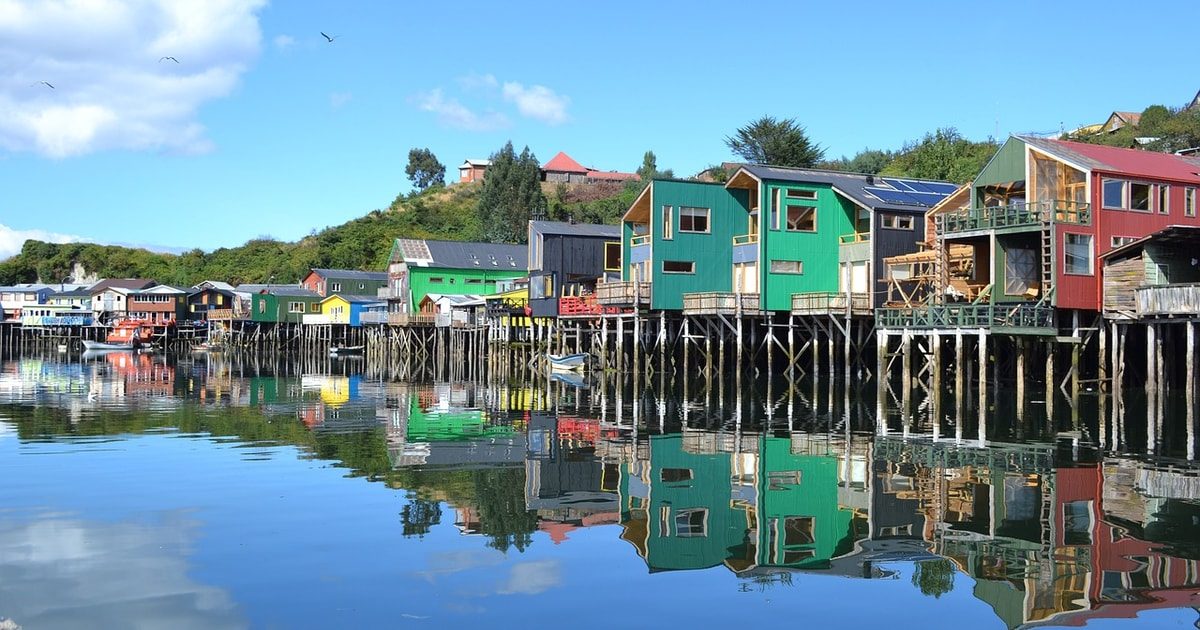
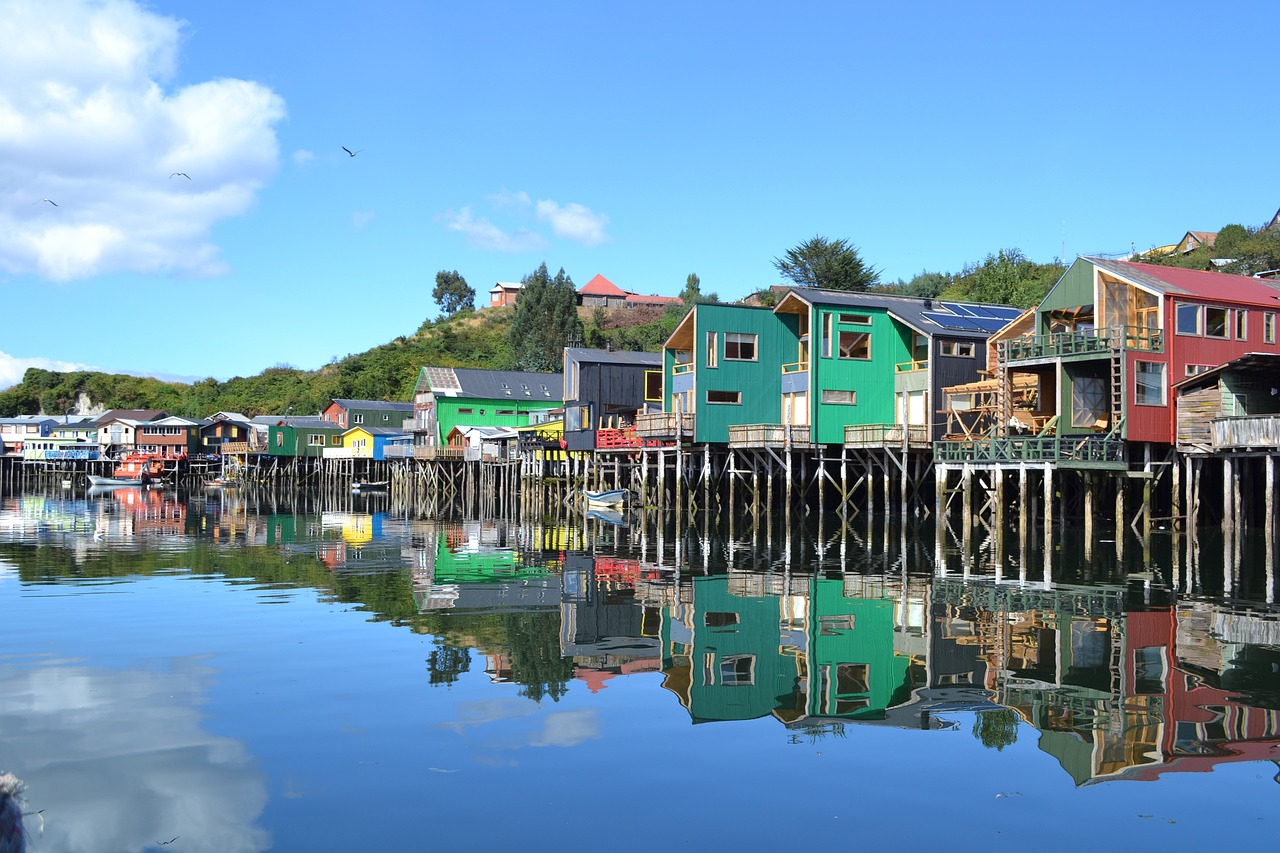
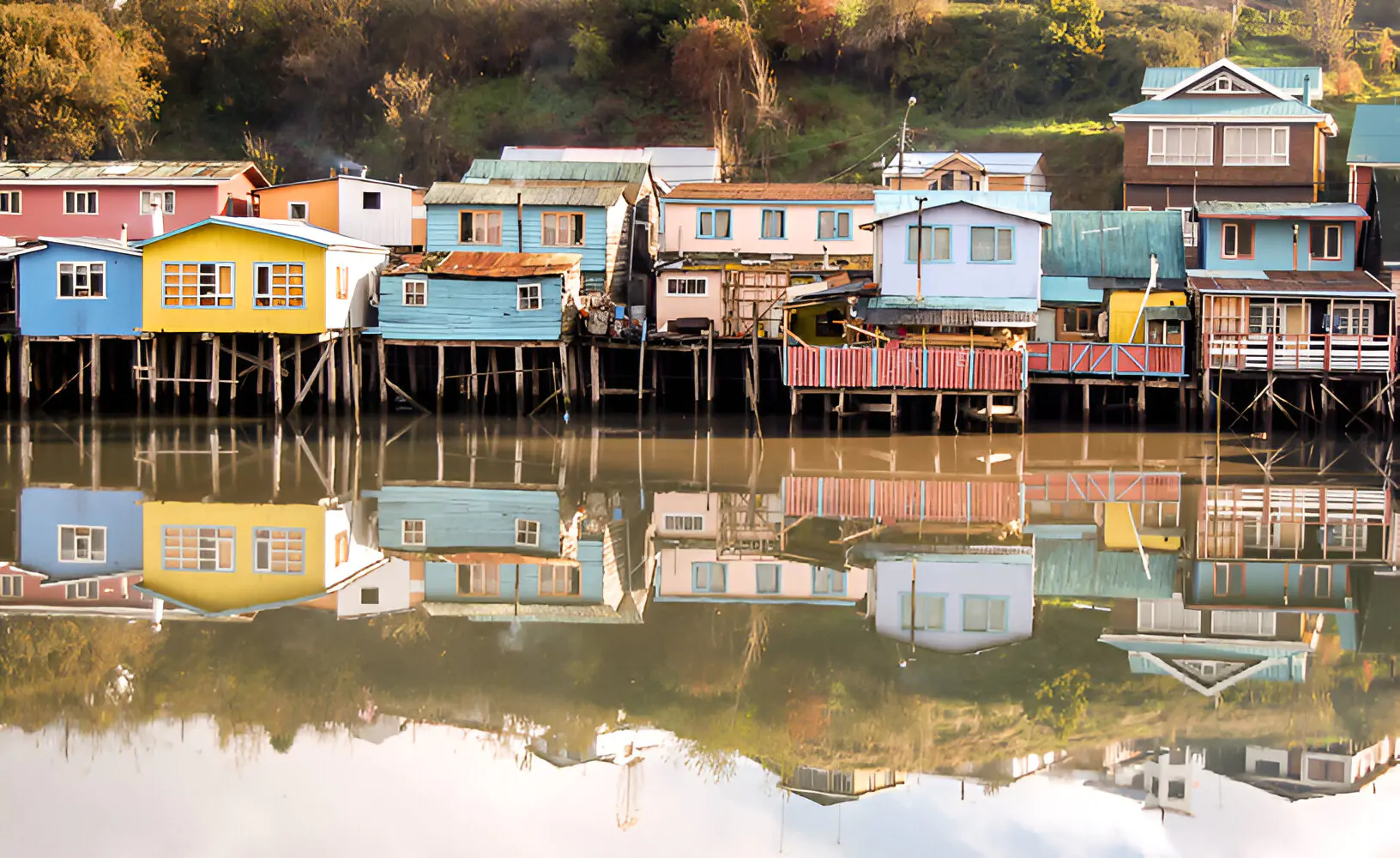
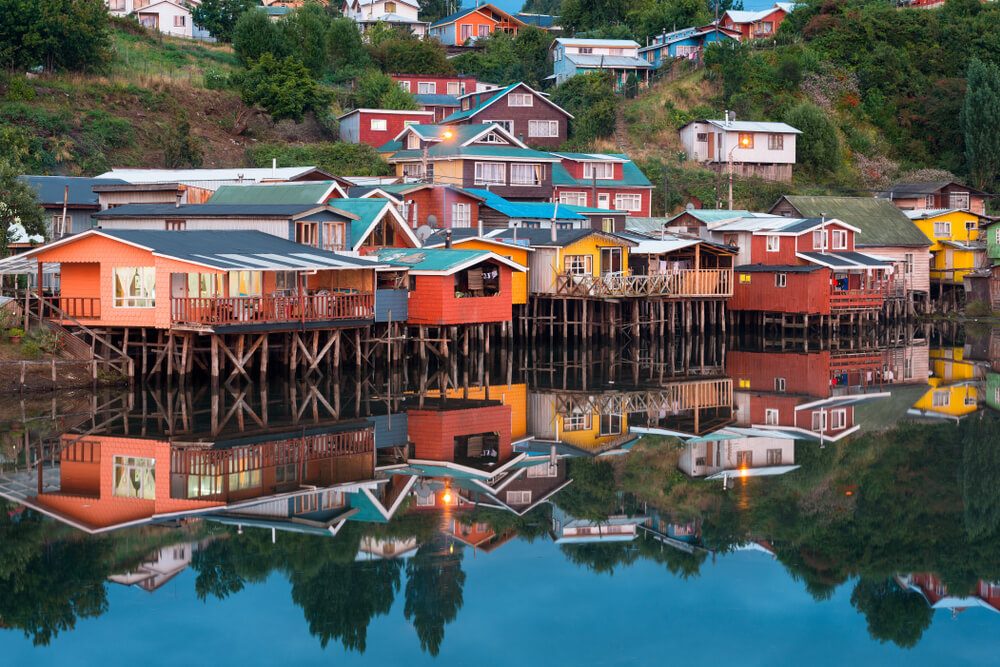
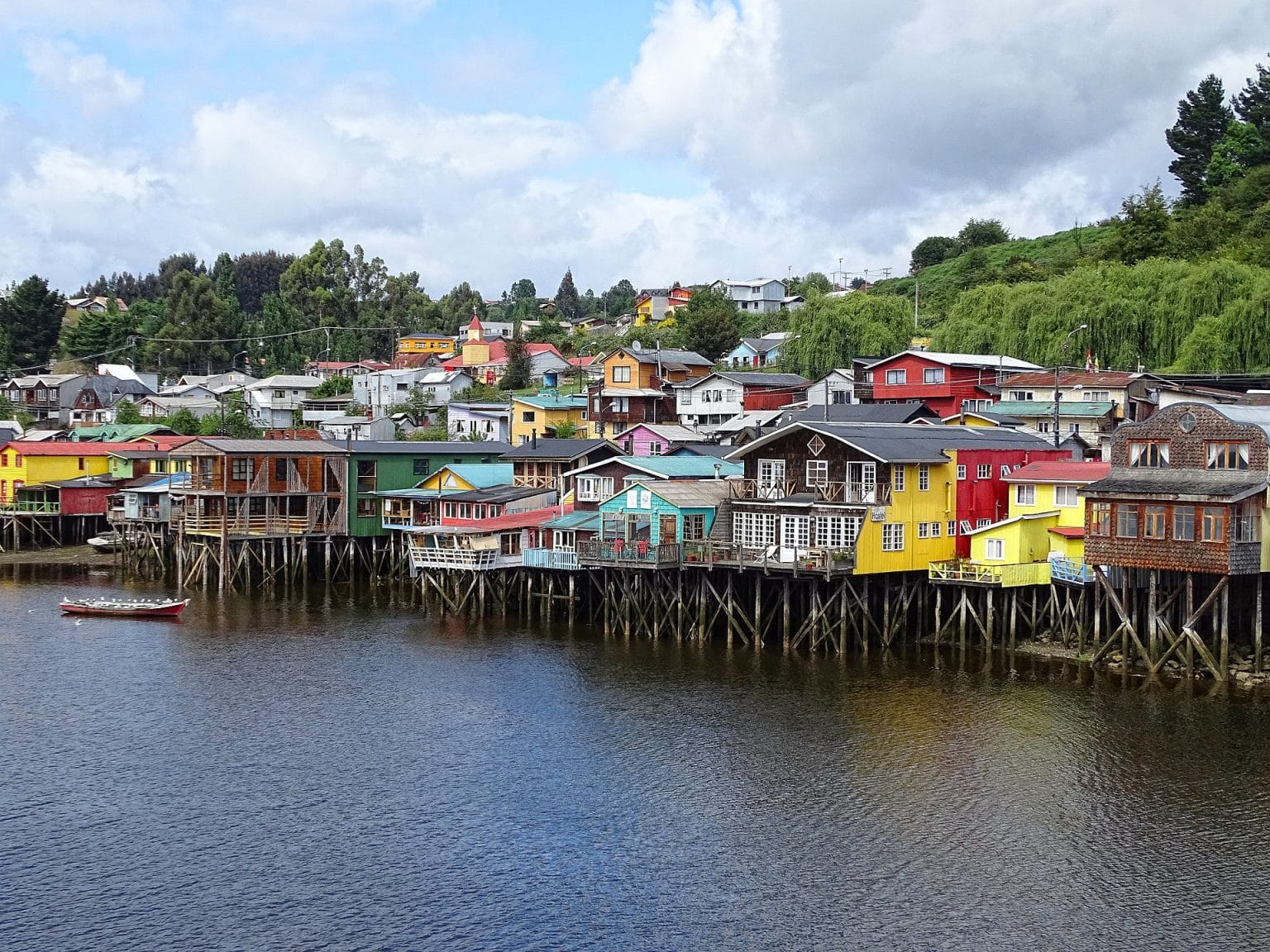
Castro, the archipelago's capital since 1567, is the third-oldest continuously inhabited city in Chile and the only one built entirely over water during its founding decades. The palafitos—brightly painted houses on wooden stilts—line the Gamboa estuary not as tourist set pieces but as functional homes whose residents moor fishing boats beneath their kitchens. These structures emerged in the late nineteenth century when land scarcity forced working-class families onto tidal flats; engineering adapted to necessity, and UNESCO now protects the remaining 300 palafitos as vernacular architecture of global significance. The Church of San Francisco, Castro's most photographed landmark, dominates the plaza with a 52-meter bell tower clad in alerce shingles—wood from trees that live 3,600 years, making Chilean alerce the second-longest-lived species on Earth after bristlecone pine.
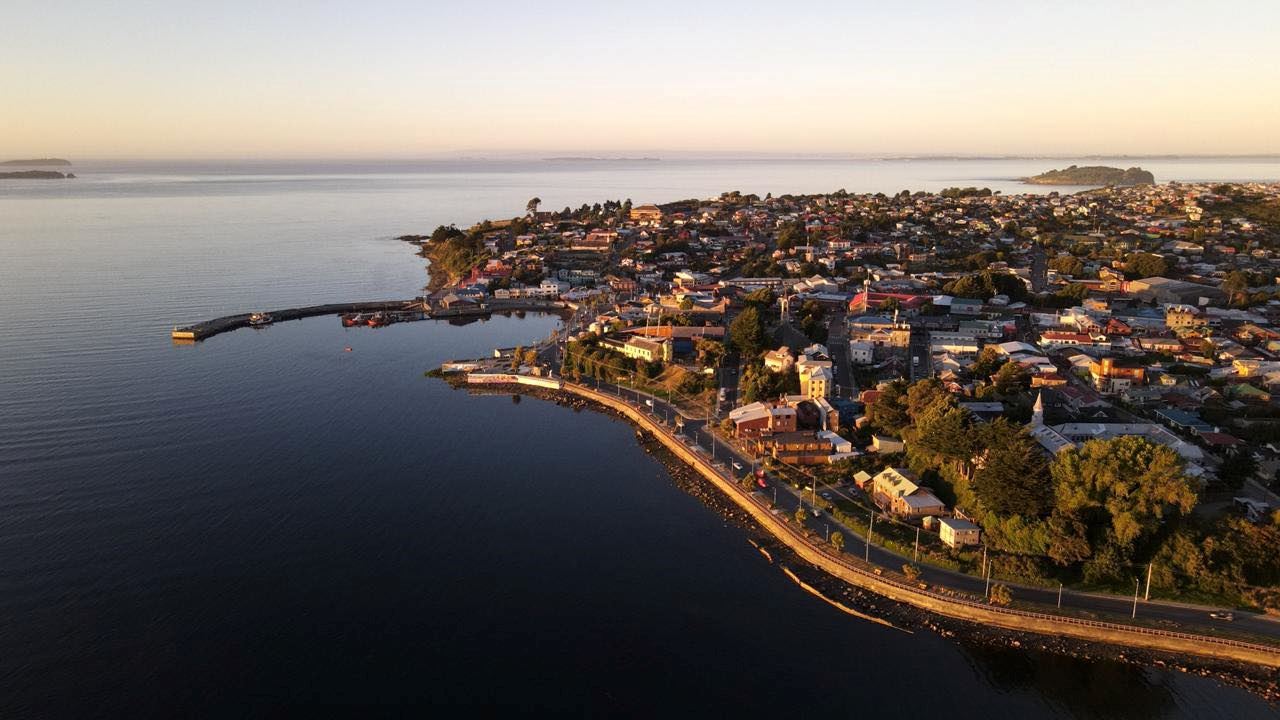
Ancud, positioned at the archipelago's northern gateway, controlled Spanish naval traffic for 250 years through the San Antonio fort, whose cannons still face the Chacao Channel. The port city fell to Chilean republican forces in 1826, three years after the mainland declared independence, marking the formal end of Spanish America. Today Ancud serves as the ferry terminus for Chiloé Island tours from Puerto Montt and functions as the logistical anchor for visits to Puñihuil's Humboldt and Magellanic penguin colonies, accessible only by boat between September and March. The Regional Museum holds 3,000 artifacts documenting Chono canoe-building, Huilliche textile patterns, and the 1960 Valdivia earthquake—magnitude 9.5, the largest seismically recorded event in human history—which lifted sections of Chiloé's coastline by two meters overnight.
"The palafitos line the Gamboa estuary not as tourist set pieces but as functional homes whose residents moor fishing boats beneath their kitchens."
A step-by-step walkthrough of Chiloe Island Tour From Puerto Varas tickets — what you'll see, how long each stage takes, and the details that matter.
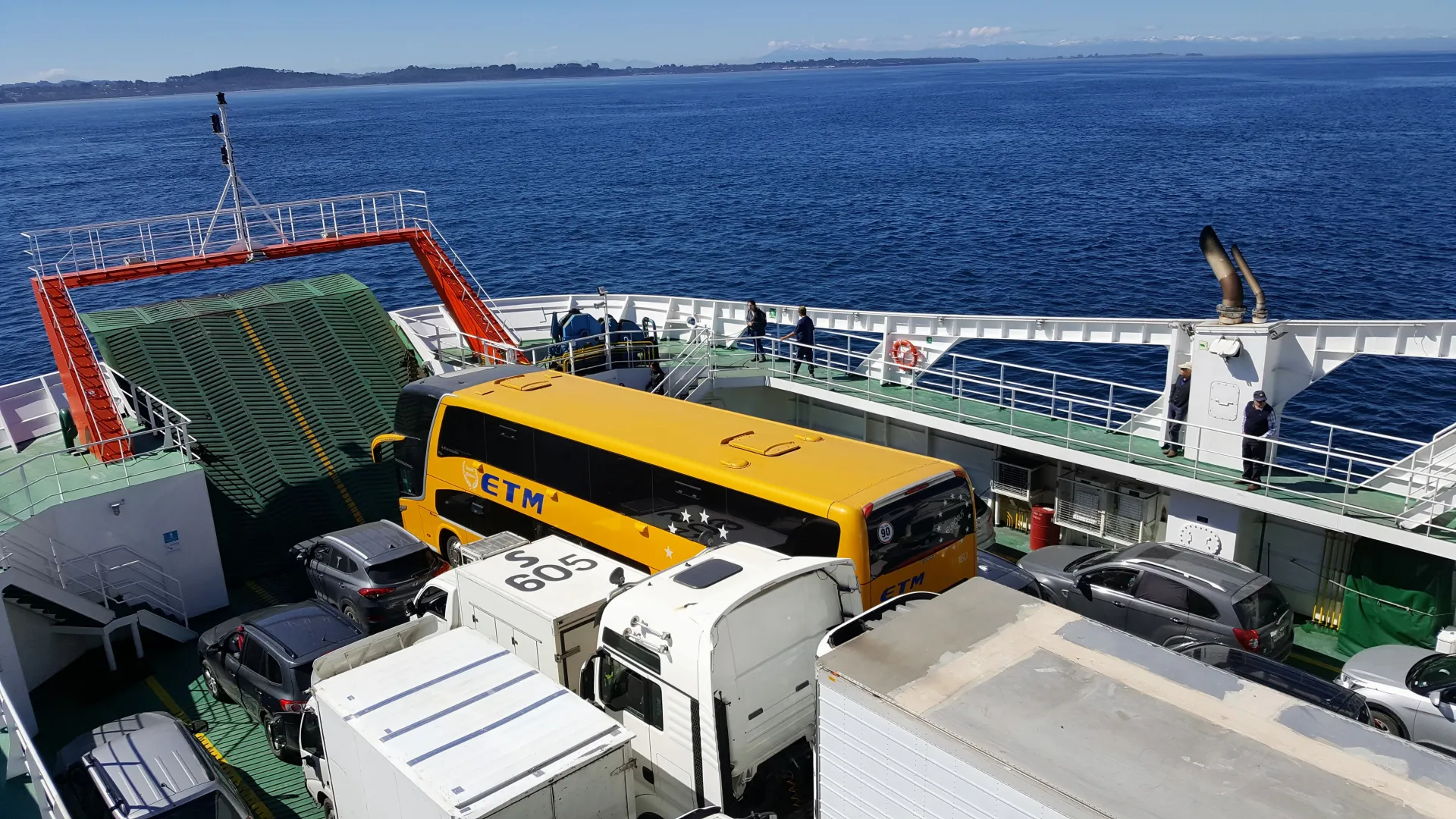
You board the ferry at Pargua at 8:30 a.m., the Chacao Channel crossing taking thirty minutes as cormorants dive along the hull. The bus climbs into rolling pastures where black-neck swans feed in roadside wetlands, and by 10 a.m.
you reach Ancud's fort, walking the bastions where Spanish soldiers watched for insurgent ships two centuries ago. The Regional Museum occupies the next hour—Chono fishing tools, a scale model of the Caleuche, photographs of the 1960 tsunami.
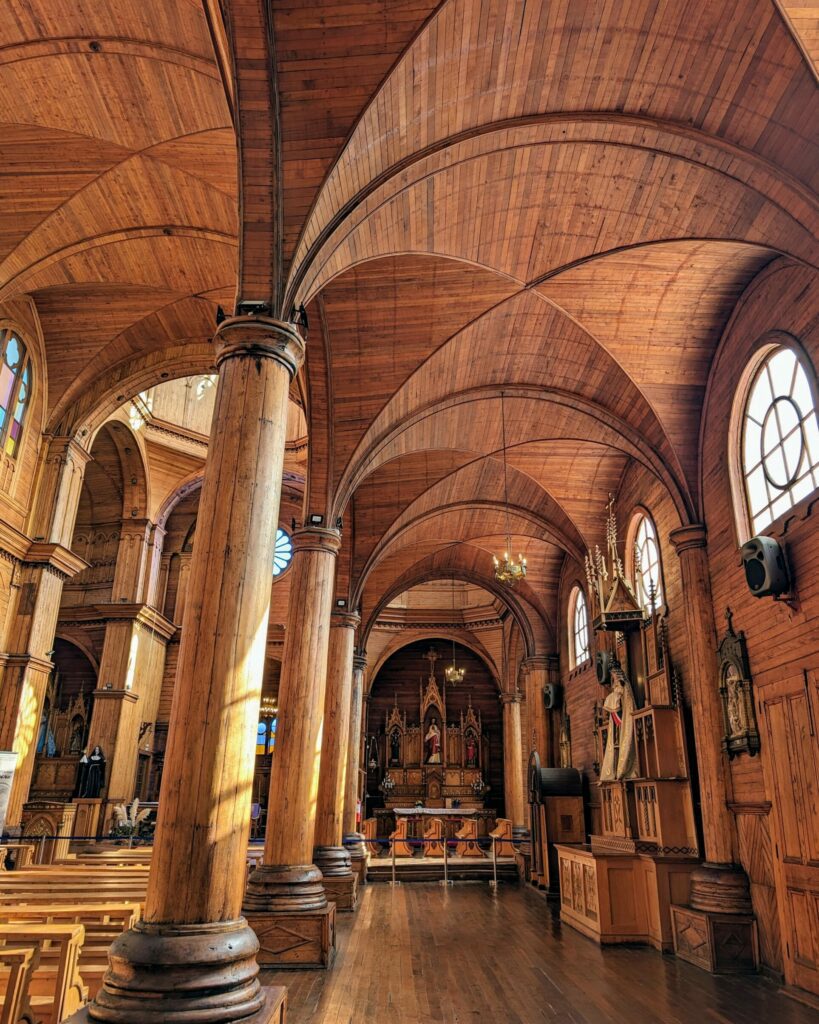
Castro appears after an hour's drive south, the palafitos stacked along the waterfront in tiers of orange, blue, and green. You walk the stilted boardwalks, fishermen sorting sea urchins in plastic tubs, and climb to the Church of San Francisco, its interior lined with native coigüe panels that glow amber in the afternoon light. Lunch is a curanto—shellfish, smoked pork, potato dumplings steamed in a pit lined with nalca leaves—served in a waterfront restaurant where the owner's grandmother still recites Trauco legends. The return ferry departs Chacao at 6 p.m., the forested coastline silhouetted against the Andes as you cross back to the mainland, the day's circuit complete in eleven hours.
The recommended arrival window for a chiloe island tour from puerto varas is between 08:00 and 18:00 to maximize daylight for transit and sightseeing.
There is no gate fee for the island, so a 0 CLP entrance fee applies, though your tour operator may charge for transport and guide services.
The island is a region rather than a single site, meaning it is accessible 24 hours a day, though the best exploration occurs during daylight hours.
Yes, a chiloe island tour from puerto varas is family-friendly, provided you plan for the significant transit time involved in crossing to the island.
You should pack a waterproof jacket, sturdy walking shoes, and layers to handle the changing weather on Chiloé Island.
A typical chiloe island tour from puerto varas requires a full day, often lasting 10 to 12 hours including the ferry transit and travel time.
Yes, most guests combine visits to Ancud and Castro during a single chiloe island tour from puerto varas to experience diverse local culture.
Photography is generally welcome at all major landmarks on the island, though it is polite to ask before capturing images of locals.
There is no formal dress code, but dressing in layers and wearing waterproof footwear is highly recommended for visiting the Chiloé Archipelago.